Why Labeled Bins Actually Work
Let's be honest — kids' bedrooms can become disaster zones overnight. Toys everywhere, clothes on the floor, nothing where it should be. But here's the thing: it's not really a motivation problem. It's a system problem. When children know exactly where things belong and can see the label, they're far more likely to put things back. We're not asking them to be naturally tidy. We're giving them a fighting chance.
The real magic happens when you combine clear labels with a rotation system. Instead of having every toy out at once, you rotate which bins are active. This keeps the room manageable, reduces decision fatigue, and honestly, kids seem more interested in toys they haven't seen in a few weeks.
Setting Up Your Label System
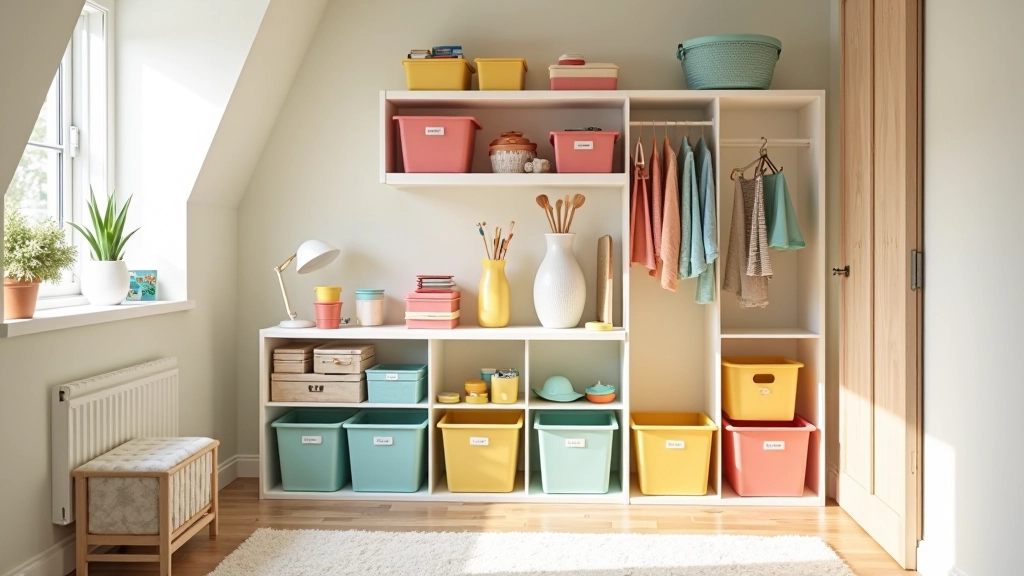
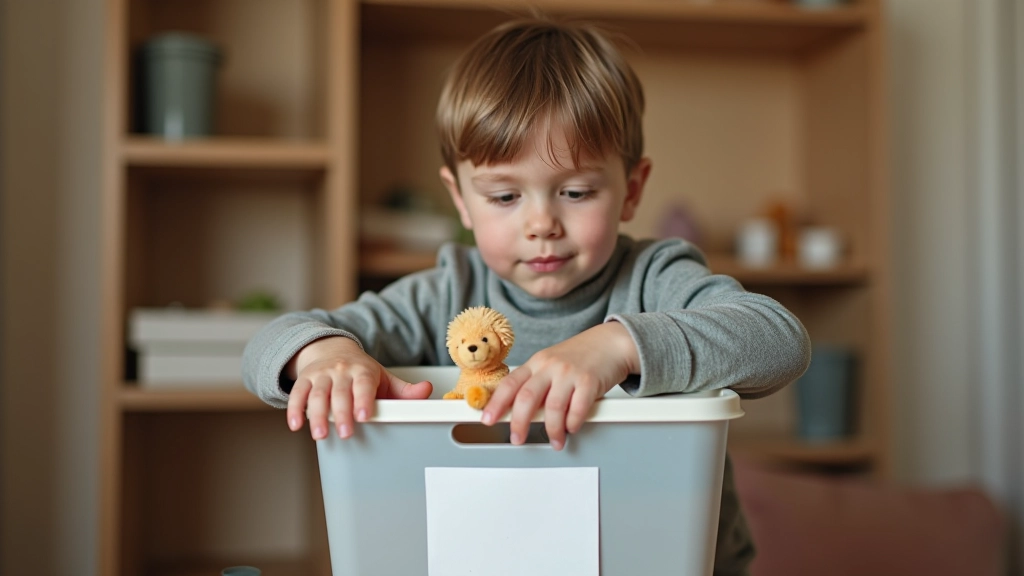
The labeling part is more important than most people think. Don't just write "toys" on everything — be specific. "Building blocks," "action figures," "art supplies" — clear categories help everyone understand what goes where. And yes, include your child in the labeling process. They're more invested when they've helped decide.
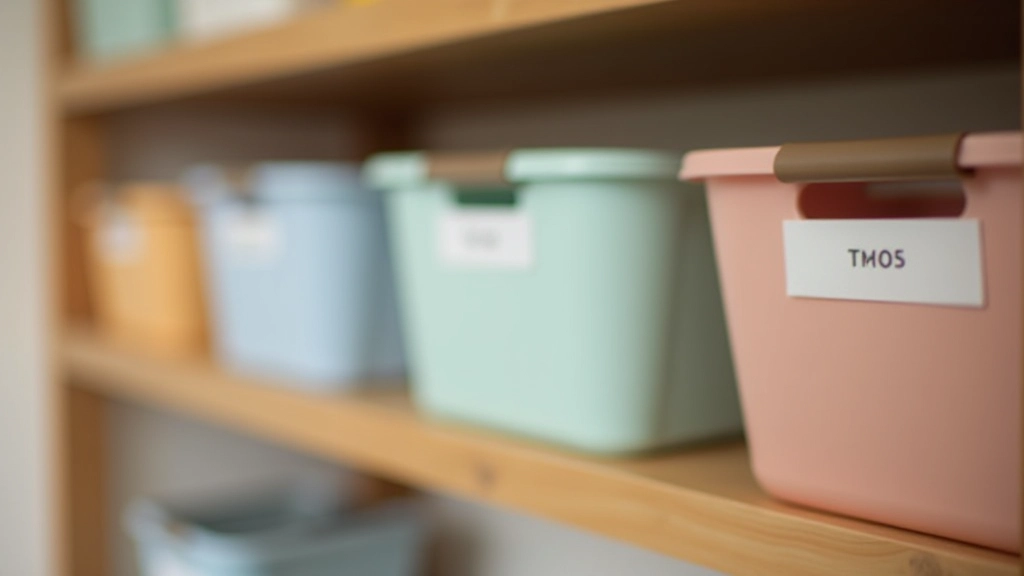
You'll want to use durable labels. Handwritten ones fade quickly, especially with little hands handling them constantly. Stick with laminated labels or label makers. The investment pays off when you're not relabeling bins every three months. Most families find that color-coded bins work brilliantly alongside text labels — blues for blocks, greens for toy animals, that sort of thing.
Label placement matters
Put labels on the front and top of bins. Younger kids especially need to see the label when they're standing at the shelf. And don't make the text too small — if a six-year-old can't read it without squinting, the system falls apart.
Quick Setup Checklist
- Choose 6-8 bin categories (don't over-segment)
- Use clear or semi-transparent bins so contents are visible
- Create durable labels (laminated or label-maker)
- Mount bins at child's eye level or lower
- Leave 20% of bin space empty for new items
The Rotation System That Actually Works
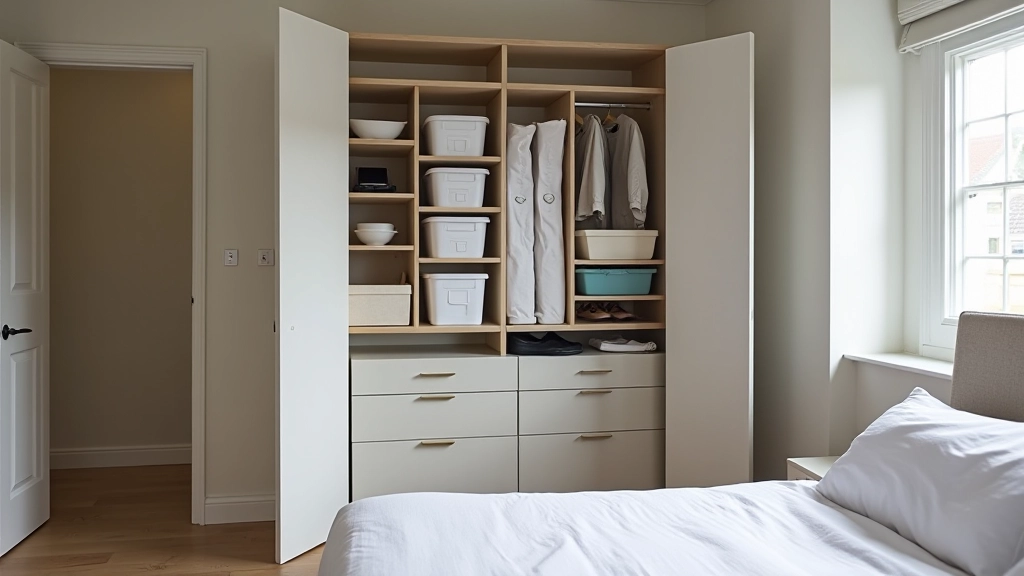
Here's where rotation makes the biggest difference. You're not storing all bins in the bedroom at once. You've got maybe 4-5 active bins on the shelves at any time. The rest go into the closet, under the bed, or even in the hallway cupboard. Every 2-3 weeks, you rotate which bins are active. Toys that were packed away suddenly feel brand new.
Kids stop complaining about boredom, you've got less visual clutter to manage, and the active bins are actually manageable for them to keep tidy. When a child has only 4 bins to deal with instead of 12, tidying becomes something they can realistically do themselves.
Rotation timing
Some families rotate every two weeks, others every month. It depends on how quickly interest shifts. Pay attention to your child — when they start asking about the packed-away toys, that's your signal it's time to swap.
Teaching Responsibility Through Organization
Here's something that surprises most parents: kids actually enjoy organization when it's clear and achievable. They like knowing where things belong. The labeled bin system gives them ownership. "This is your block bin. You keep the blocks in here." That's powerful for a child's sense of responsibility.
Start small. Don't expect perfection from day one. The first week is about learning the system. By week two, they'll be putting things back more consistently. By week three, it becomes habit. And the rotation part? Kids actually look forward to it. It's like Christmas, but every few weeks.
You'll also notice something else happens. When the room stays organized, bedtime arguments decrease. Getting dressed is faster. Morning routines improve. A tidy, organized space genuinely affects how children behave and feel. It's not just about having a neat room.
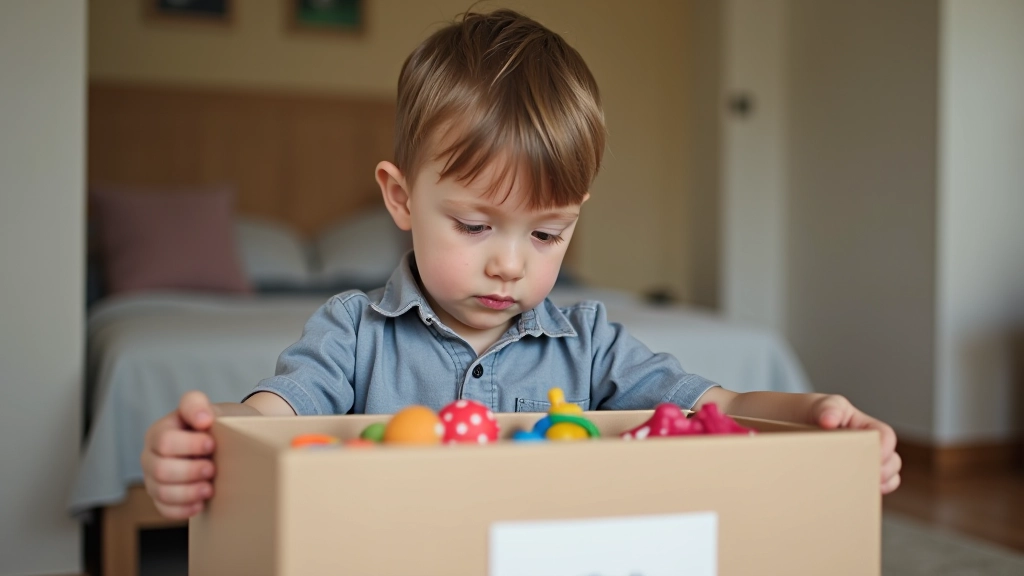
"Once we started rotating bins, the constant 'I don't have anything to play with' complaints just stopped. Plus, tidying up took about five minutes instead of an hour because there's actually space to put things back."
— Aoife, parent of two
Making Rotation Day Part of the Routine
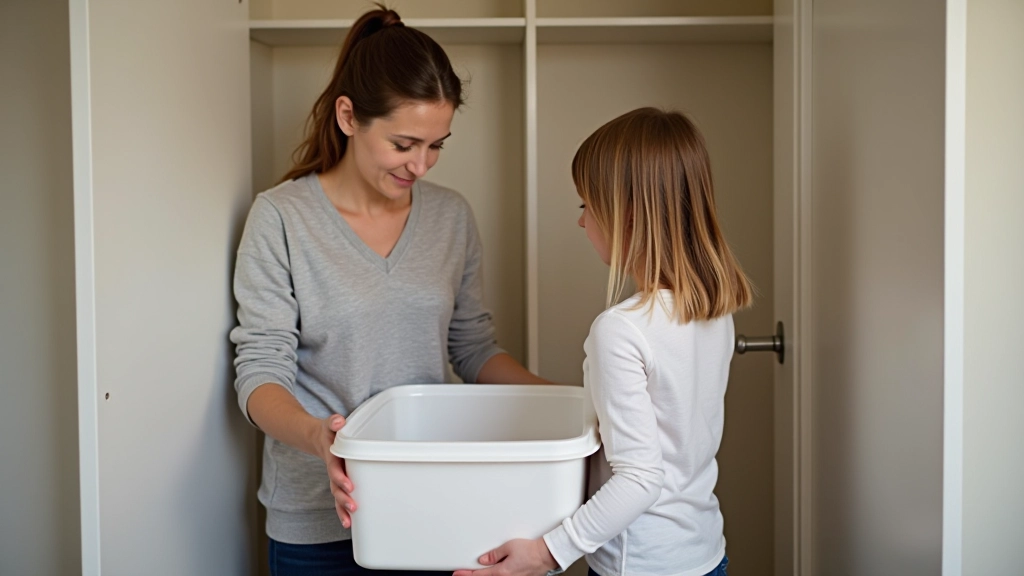
Turn rotation day into something special. Maybe it's Sunday afternoon. You and your child work together to pack up the current bins and bring out the stored ones. It takes maybe 15-20 minutes once you've done it a few times. Some families make it fun — put on music, turn it into a little game.
This is also the perfect time to do a quick declutter check. Any toys that nobody played with in the last two weeks? Those are candidates for donating. Don't wait until bins are overflowing. Small, regular decluttering is far easier than massive purges every year.
Pro tip: Take photos of the rotated bins. Label them with dates. This way, you know exactly what's in storage and can quickly find something if your child asks for a specific toy. A simple spreadsheet or even phone notes work fine.
The Long-Term Payoff
What you're really building here isn't just a tidy bedroom. You're creating a system that teaches your child about organization, responsibility, and the value of having fewer things at a time. You're reducing decision fatigue — both yours and theirs. And honestly, you're probably reclaiming some sanity in your evenings instead of fighting constant tidying battles.
The labeled bin system with rotation isn't complicated. It's just thoughtful. And once it's running, it requires minimal effort from you. Your child maintains it because it makes sense to them. That's the goal — a system that works with how kids actually think, not against it.
Disclaimer
This article provides general guidance on organizing children's bedrooms using labeled storage and rotation systems. Individual circumstances vary — your family's needs, space, and preferences may differ from the suggestions provided. Organization systems work best when tailored to your specific situation. Every child responds differently to organizational methods, so it's worth observing what works for your family and adapting accordingly.